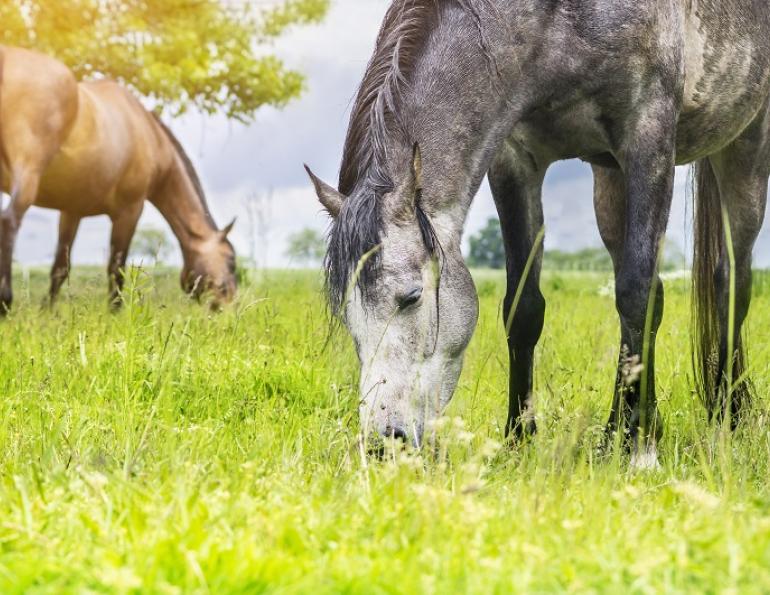
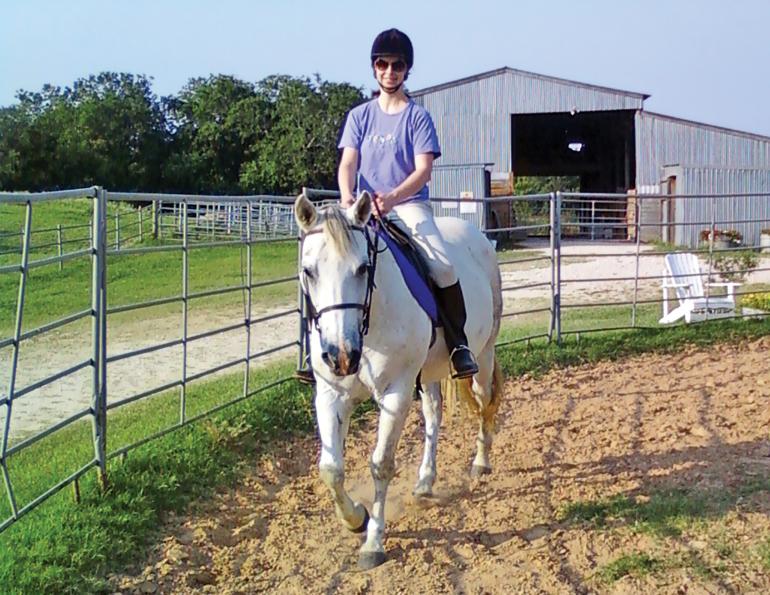
horse training options, riding with a trainer, do it yourself horse training, equestrian coaching advice, amateur rider development, horse riding lessons, equestrian training models, choosing a horse trainer, independent riding, riding without a coach

Do it yourself, hire a pro… or something in between? Competitive and non-competitive, some horse owners choose to lean on a professional; others choose to do their own work. Those who opt for a trainer trust the leg-up afforded by a professional’s experience and oversight.

horses with jobs, working horses, school horses, therapy horses, search and rescue horses, quadrille horses, movie horses, horse temperament, equine careers

People often say, “a horse needs a job,” as though life as an equine couldn’t be complete without trotting into the office occasionally. Historically, horses really did take on essential work, from carrying soldiers into battle to driving the gentry around town (as anyone who’s watched The Gilded Age knows.) Even in our own times, when horses are less necessary for most human activities, they’re still sometimes pressed into service. Of course, it helps if a horse is well-suited to their assigned occupation. So, before recruiting a horse for any of the following positions, consider some of the necessary qualifications.

castle plastics hoof pads, snow hoof pads horses, coloured horse hoof pad, horse shoes, road hoof pads for horses

One day in the 1980s, Lindsey Serafini’s grandfather was watching his Standardbred horses getting shod.
“The farrier was shoeing with hoof pads and my grandfather said, ‘I could make those,’” says Serafini, who is a fifth-generation owner of Castle Plastics.

grassroots equestrian sport, equestrian industry opinion, horse sport accessibility, equestrian social license, rising costs horse sport, equestrian venues decline, grassroots horse shows, equestrian sponsorship challenges, public engagement equestrian sport, future of horse sport

Opinion - Like many other equestrians who have been active in sport over the last few decades, no one needs to tell me twice that our sport is waning like the water supply in a mid-summer drought. Local venues are becoming scarce, big sponsors have fallen off the grassroots scene almost completely, and the costs of participation along with everything else keep climbing. Added to that is the increasing conversation regarding equine sport’s social license to operate hanging like a guillotine over the heads of equestrian competitors across the globe. These factors accelerate the general public’s opinion of equestrian sport as being elitist and inaccessible, preventing lifelong equestrianism for many before it ever gets the chance to blossom.

Steve Chiasson, horse acupuncture, horse care, horse acupuncture points, horse back pain, horse pelvic pai, equine acupuncture treatment

The field of equine medicine is experiencing a period of exciting growth, with significant advancements in diagnostic and therapeutic options available to horse owners. Over recent decades, equine healthcare has evolved to offer a broad range of services, from internal medicine, surgery, and reproductive management to lameness diagnostics, dental care, and neurologic treatment—available both in-hospital and on-farm. In addition to these traditional services, alternative therapies like acupuncture are gaining popularity for treating various conditions in horses.

Advertisement

Advertisement

Advertisement

Canadian Quarter Horse Association